
How Online Conventions Make Fandoms More Accessible

Image via nappyco @apsen
For decades, the convention experience has been shaped by a consistent set of barriers. Attending often required booking costly flights well in advance, navigating crowded convention centers, and spending long hours on your feet, all for brief interactions with favorite creators. While the energy of a live convention hall is undeniable, the traditional format has frequently and unintentionally limited who is able to participate in these cultural spaces.
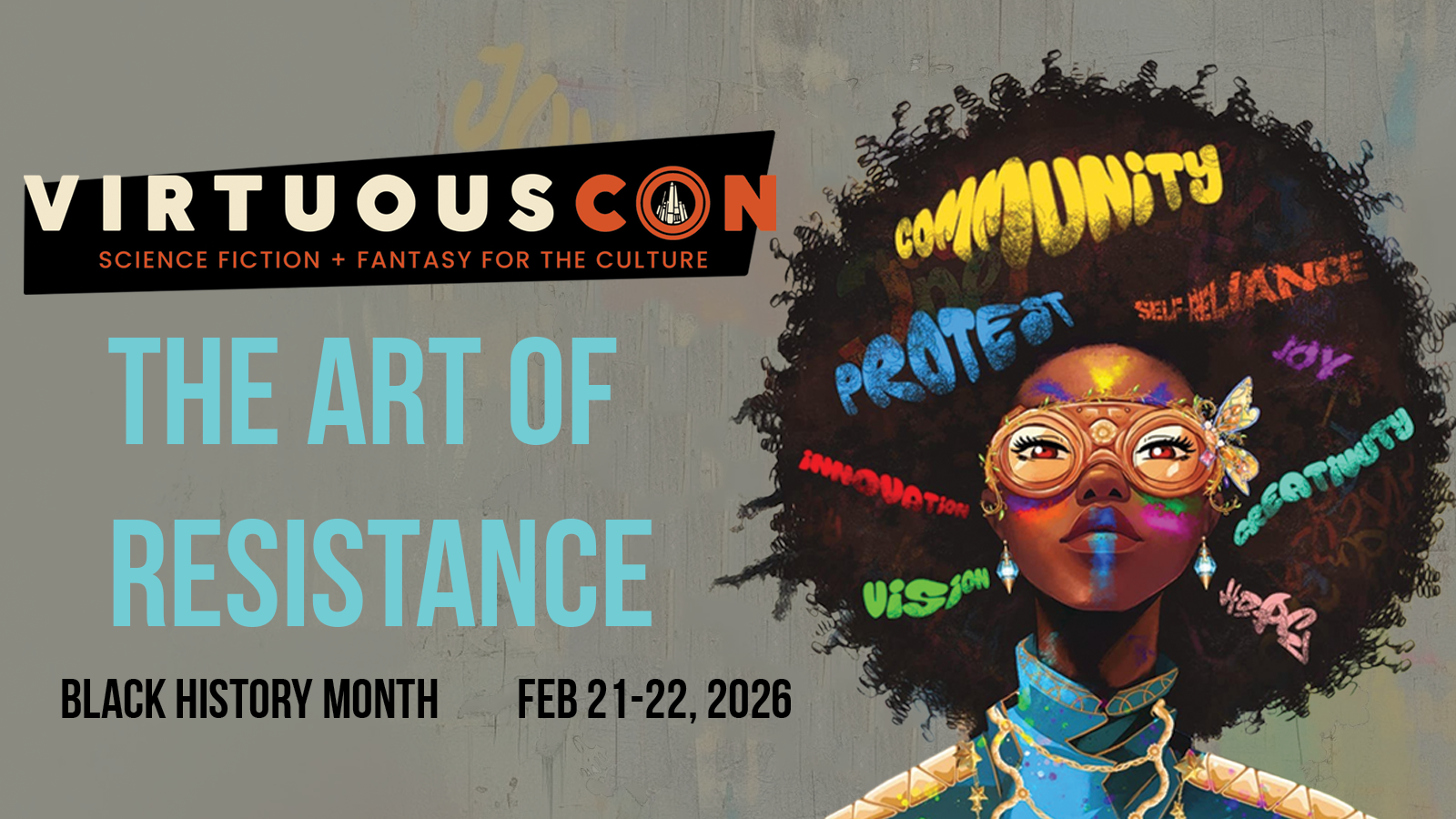
At Virtuous Con, we believe fandom should be accessible to everyone. As preparations continue for Virtuous Con 2026 on February 21 and February 22, the decision to operate as a fully virtual event reflects a deliberate commitment to accessibility, inclusion, and equity. This choice is not a fallback or compromise. It is an intentional design that expands who can meaningfully engage with fandom.
This approach is especially impactful for disabled fans, parents of children with accessibility needs, and Black and Brown families who have historically faced obstacles to full participation in traditional fan conventions.
Below is a closer look at how digital conventions are reshaping access for fans and creators alike:
The Real Financial Barriers to Convention Attendance
The financial realities of attending major conventions present a significant challenge for many fans and families. For example, attending San Diego Comic Con in 2024 required approximately $350 for badges alone. Average airfare to San Diego was around $367, while hotel rooms near the convention center often exceeded $375 per night. For a 5 day stay, lodging costs alone could surpass $1,500. When food, transportation, and other expenses were added, total costs commonly exceeded $2,000 for a single attendee.
For families, these costs increase quickly. A family of four could easily face total expenses exceeding $4,000 for a single convention weekend.
New York Comic Con presents similar challenges. In 2024, 4 day passes cost $240 per person, while single day passes increased to $75. For families attending multiple days, badge costs alone could approach $1,000. Hotel prices in New York City during convention weekends frequently rise to $400 or $500 per night, placing the overall experience well outside the financial reach of many households.
Emerald City Comic Con follows a comparable pattern. For 2025, 4 day passes were priced at $260 per adult, with single day tickets at $80. While nearby lodging may be slightly less expensive, travel costs remain a major barrier for families traveling from outside the region.
These figures represent more than inconvenience. They are concrete barriers for students, young professionals, single parents, and families from marginalized communities. Research cited by Prism Reports shows that disabled individuals are significantly more likely to experience unemployment or poverty, further limiting access to high cost convention environments.
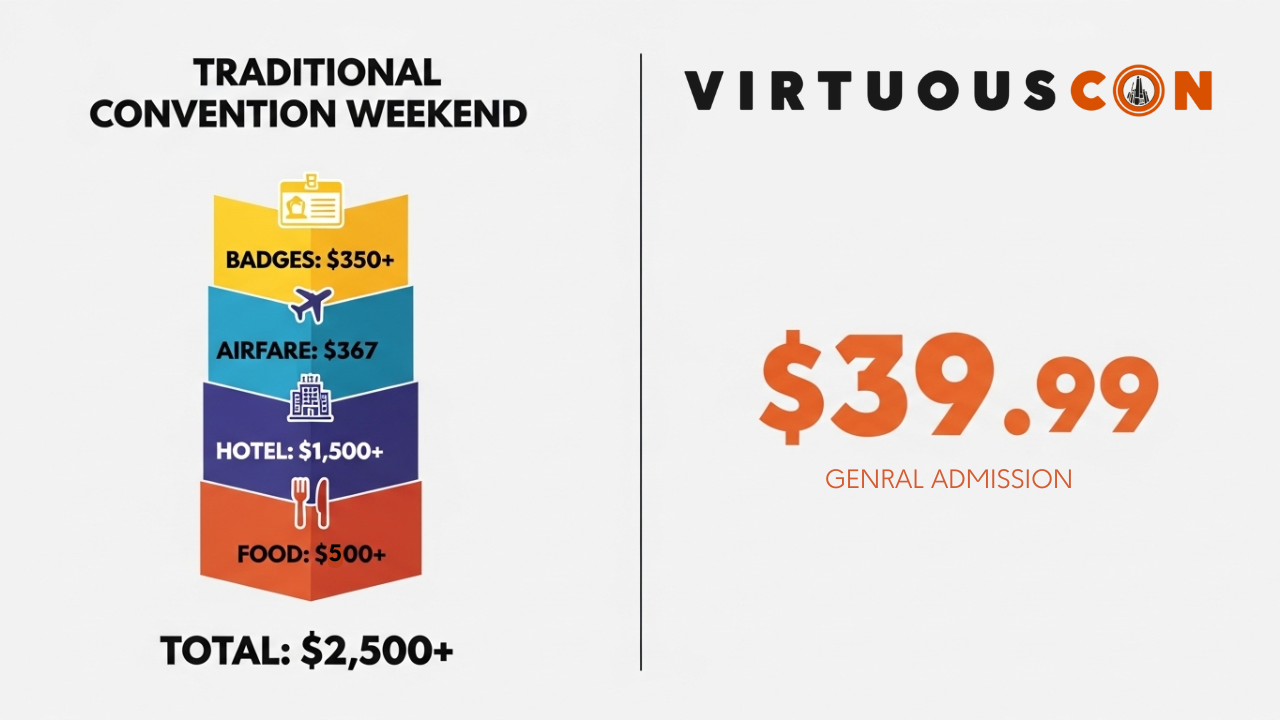
Potential cost comparion between a traditional convention and Virtuous Con 2026
By shifting to a virtual format, Virtuous Con removes the travel cost entirely. Whether attending from Brooklyn, Lagos, London, or Los Angeles, participants access the same programming and conversations without geographic or financial disadvantage.
Creating Genuinely Accessible Spaces for Disabled Fans
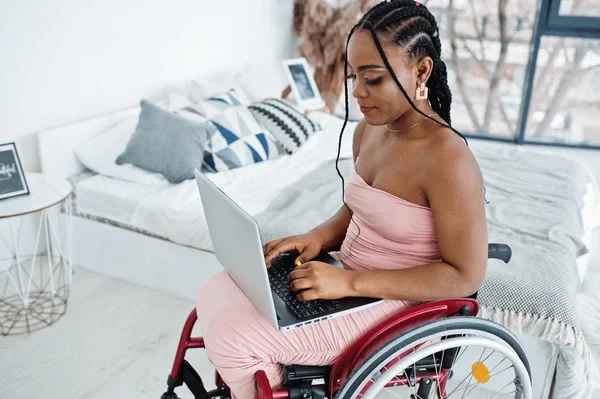
For disabled fans and chronically ill attendees, physical conventions often present obstacles that go beyond inconvenience. Narrow aisles, dense crowds, long wait times, limited seating, and intense sensory environments can significantly restrict participation.
Parents of children with mobility needs must balance enjoyment with safety concerns in packed spaces. Neurodivergent fans may experience sensory overload from bright lights, loud audio, and constant stimulation. Immunocompromised individuals and their families continue to face health risks associated with large indoor gatherings.
Virtual conventions allow attendees to manage their environment fully. Participants can adjust volume levels, use screen readers or closed captioning, take breaks as needed, and engage without sacrificing comfort or safety.
Virtuous Con prioritizes platforms with built in accessibility features including live captioning, screen reader compatibility, keyboard navigation, and adjustable playback speeds for recorded content. This approach ensures that remote participation does not mean reduced engagement.
Comic Con International offers accessibility services such as ADA seating and comfort rooms, but these resources are limited and often require early arrival and extended waiting. Virtual spaces eliminate these constraints entirely.
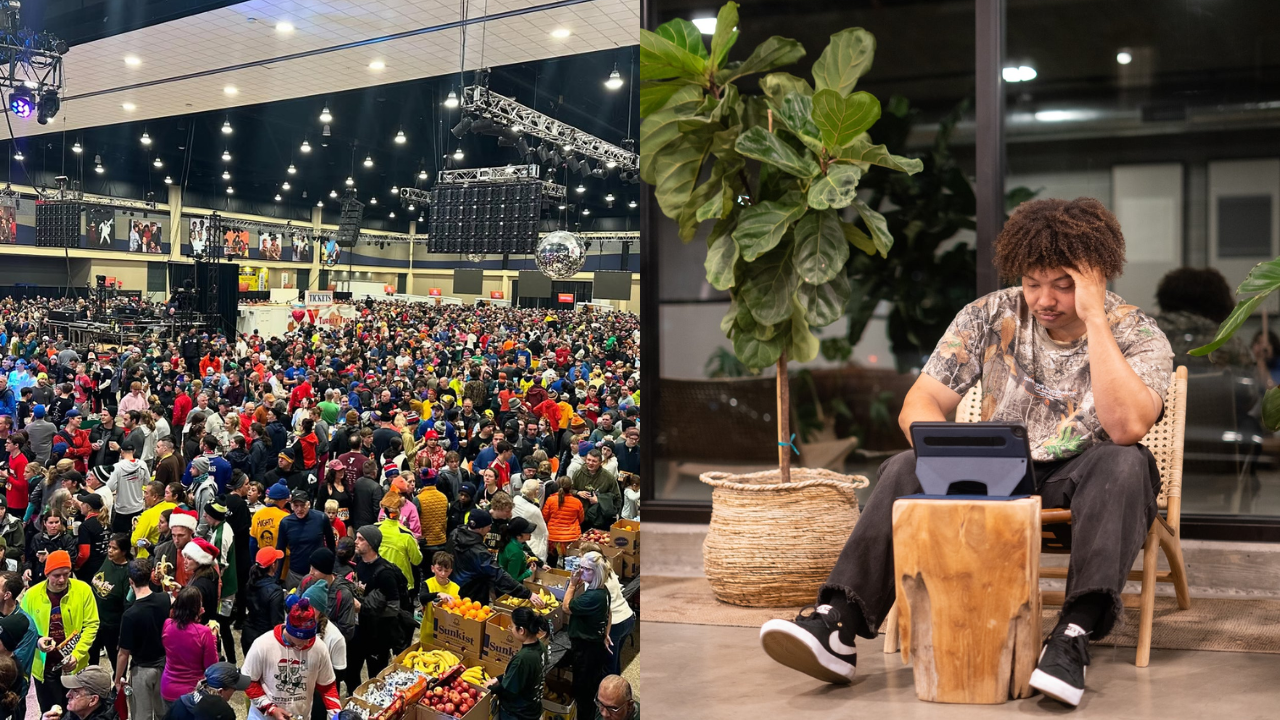
image left via Buffalo Convention Center
A Space Where Black and Brown Families Truly Belong

image via Hamilton Health Science
Research into the Black cosplay experience reveals consistent and troubling patterns that shape how Black fans experience convention spaces.
Reporting from Black Nerd Problems documents how Black cosplayers regularly face harassment both online and at in person conventions when cosplaying characters who are not explicitly Black. These encounters often come in the form of hostile comments questioning their right to portray certain characters, including statements like “you should look like your character” or “stay in your lane.” While these remarks may be dismissed by some as isolated incidents, they form a pattern of gatekeeping that communicates who is considered legitimate within fandom spaces. When Black children witness or experience this behavior, the message becomes especially harmful, teaching young fans that certain characters and communities are not meant for them.
Data from The Seattle Medium highlights how Black cosplayers describe a perceived superiority culture within convention communities, where visibility and popularity are often tied to race rather than creativity or craftsmanship. One cosplayer interviewed noted that “the more popular people are typically Caucasian,” regardless of costume quality or accuracy. For families attending conventions with children, these dynamics matter deeply. Young Black and Brown fans quickly learn whether they are being celebrated or merely tolerated, and repeated exposure to these environments can discourage participation altogether.
Additional information from Inverse expands on this issue by showing how Black cosplayers are often held to higher standards than their white peers. They are expected to be more accurate, more polished, and more professional simply to receive the same recognition. This added scrutiny creates emotional and psychological pressure not just for individual cosplayers, but for families navigating fandom spaces together. Parents are often forced into difficult conversations with their children about discrimination and bias in spaces that are supposed to be joyful and imaginative.
Virtuous Con was founded specifically to center Black and Brown creators and fans in response to these realities. By hosting the convention online, Virtuous Con creates a digital sanctuary where harmful dynamics can be actively addressed rather than passively tolerated. The 2026 theme, The Art of Resistance, reflects how BIPOC creators use speculative fiction to challenge narratives, reimagine futures, and elevate collective worldviews. Moderated environments and clear community standards help ensure that creators and fans engage in spaces defined by respect rather than exclusion.
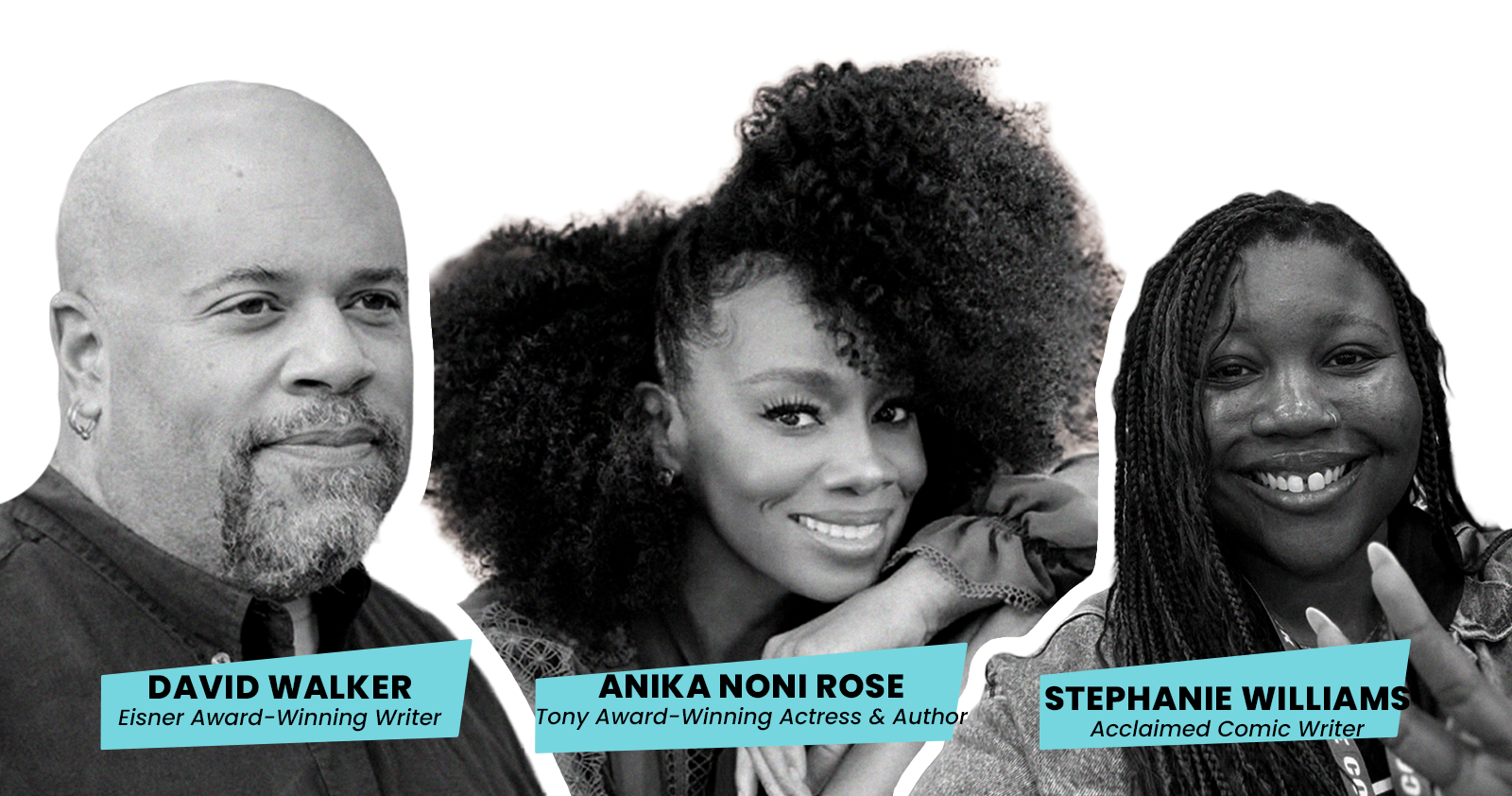
This approach allows creators such as David F. Walker, Stephanie Williams, and Anika Noni Rose to connect directly with audiences who genuinely value their work, without the added burden of navigating hostile or dismissive environments. These interactions reinforce the idea that Black and Brown creativity is not peripheral to fandom culture, but foundational to it.
For Black and Brown parents, this creates an opportunity to introduce their children to fandom in spaces where they are represented and affirmed from the beginning. Children can attend panels, ask questions, and interact with creators who look like them without the emotional weight of being “the only one” in the room. Early exposure to inclusive fandom spaces plays a critical role in shaping how young people understand their place within geek culture and whether they feel empowered to participate fully
The Power of Controlled and Comfortable Environments for Families
One persistent myth about online conventions is that they are somehow less engaging or less meaningful than physical events. For parents and caregivers, especially those supporting children with specific needs, this assumption does not reflect lived reality.
Consider the experience of attending a traditional convention with a child who has autism or ADHD. Parents must manage sensory sensitivities, monitor safety in dense crowds, track schedules closely, and anticipate how long their child can tolerate noise and stimulation. A single moment of overwhelm can mean leaving the convention entirely, forfeiting expensive tickets and missing opportunities that required months of planning.
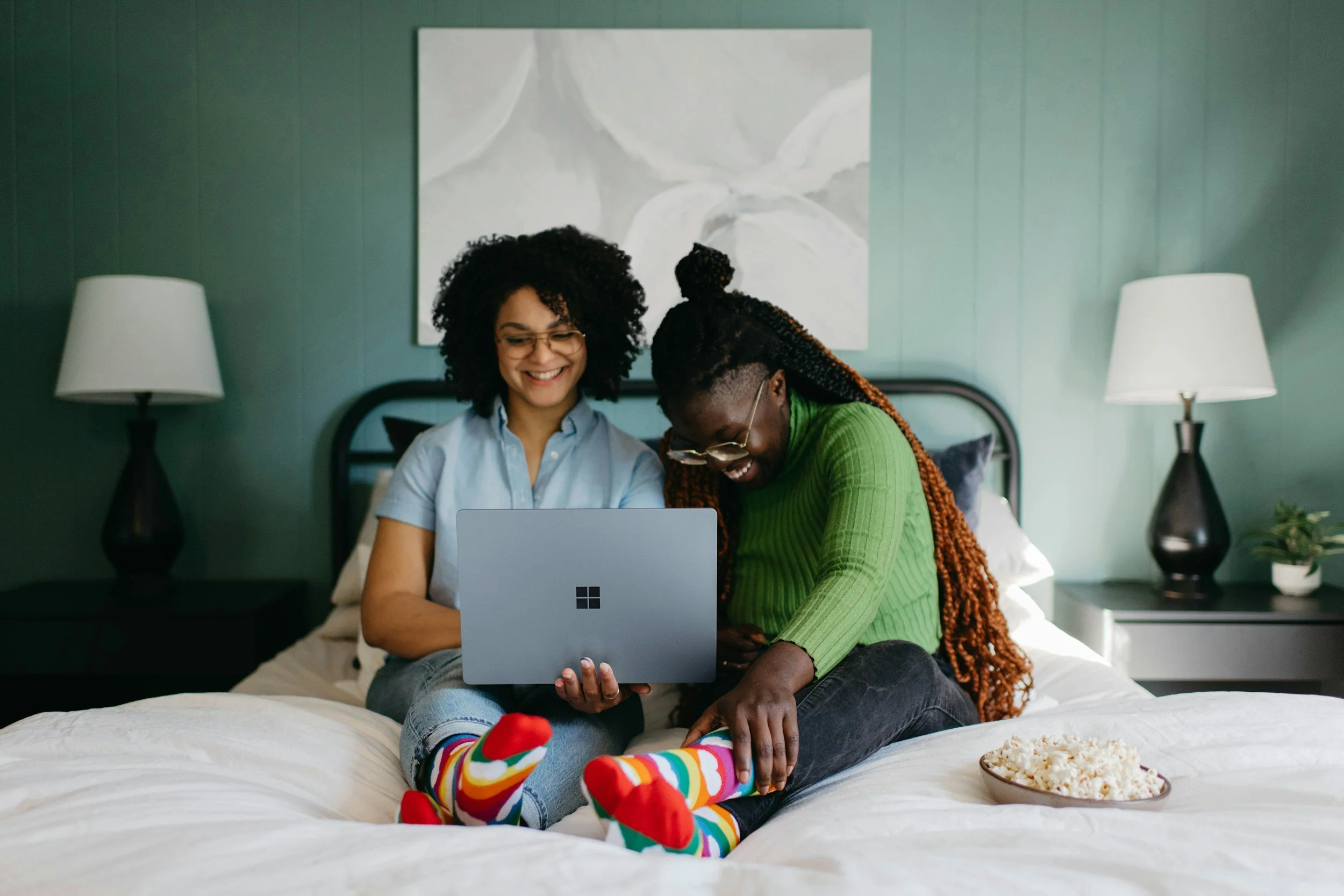
The virtual alternative offers a fundamentally different experience. Children can attend panels from familiar environments, wearing comfortable clothing, with preferred snacks and calming tools readily available. If a break is needed, they can step away and return without losing access. Parents can adjust volume levels, pause content to explain context, and create an experience tailored to their child’s needs while remaining fully engaged in the event.
Virtuous Con virtual floors feature live vendor booths where families can browse artwork, books, and merchandise together while chatting directly with creators in real time. Rather than clicking through static listings, attendees enter interactive spaces where artists and authors are present and accessible. For children who may feel intimidated approaching creators in person, these digital interactions often feel more manageable and welcoming.
Panels hosted in rooms named after figures like Octavia Butler and Dwayne McDuffie encourage real time questions and community discussion. Research cited by Harvard accessibility resources shows that well designed virtual events often enable participation that physical spaces cannot. Children can submit questions via text if speaking aloud feels uncomfortable, and families can engage together without worrying about disrupting others.
What Virtuous Con 2026 Offers Families
Virtuous Con is not simply streaming panels to a screen. It is intentionally building an experience that celebrates independent Black and Brown artistry while prioritizing accessibility for families:
Event Details
Dates: February 21 to February 22, 2026
Format: 100 percent virtual and accessible from anywhere with an internet connection
Theme: The Art of Resistance
Platform: Interactive virtual floors with live vendor booths and real time panels
Featured Guests
The lineup this year at Virtuous Con represents excellence in Black and Brown creative work across multiple disciplines. In addition to Anika Noni Rose, David F. Walker, and Stephanie Williams the Virtuous Con 2026 guest list includes:
Jenn Jackson, Assistant Professor at Syracuse University
Keisha Parks, Blogger and Podcaster (The Blerd Library, The Pink Riot Comic Shop)
Ayana Gray, New York Times Bestselling Author
Tim Fielder, Illustrator and Concept Designer, creator of BROTHEROBO
Frank Abney, Award-Winning Director and Animator (Black Man, Black Man)
Antonio Pomares, Host of The Hungry Bleek Podcast
Nicole Glover, Author of the Murder and Magic series
P. Djèlí Clark, Nebula Award-Winning Author (A Master of Djinn, Ring Shout)
Leslye Penelope, Award-Winning Fantasy and Paranormal Romance Author
David Crownson, Writer and Publisher (Harriet Tubman: Demon Slayer)
TJ Sterling, President and Lead Artist of Rae Comics
Sarah Jefferson Carter, Writer and Director (Queendom Come)
Ines Johnson, Media Producer and Published Author
Jon Higgins, Ed.D., Social Justice Leader and Cultural Commentator
Cheyenne Ewulu, Actress, Producer, and Showrunner (The Comic Shop)
Accessibility Features
Based on best practices from SIGACCESS and the World Institute on Disability, Virtuous Con offers live closed captioning, screen reader compatibility, downloadable schedules, multiple participation formats including video and text based engagement, recorded sessions for flexible viewing, technical support throughout the event, and clear content warnings where appropriate.
Making Fandom Accessible for the Next Generation
The question is not whether virtual conventions can replicate the spectacle of in person events. The more important question is whether traditional conventions have ever been accessible to all families in the first place.
For many Black and Brown families and families with disabled members, traditional conventions have often been expensive, exhausting, and at times actively unwelcoming. Virtual conventions offer an alternative model that prioritizes access, safety, and dignity over endurance.
Research from the University of California Merced demonstrates that thoughtfully designed virtual events reduce geographic barriers, lower financial burdens, increase accessibility for disabled participants, and allow for broader participation across communities.
For parents raising the next generation of fans, these spaces provide an opportunity to introduce children to fandom on terms that work for their family. They can nurture curiosity and creativity without compromising comfort or safety, and show young fans that their presence is valued.
The traditional convention model asks families to adapt to it. Virtuous Con adapts to families.
Join Us in Building Inclusive Fandom
The future of fandom is not defined solely by the media we consume. It is shaped by who is able to participate, who feels welcomed into the conversation, and who is able to see themselves reflected in the stories and communities they love. For too long, access to fandom spaces has been limited by cost, physical barriers, and social dynamics that exclude more people than they include.
By choosing a fully virtual format, Virtuous Con 2026 ensures that the room is truly large enough for everyone who wants to be part of it. Whether you are a longtime fan, a parent introducing your children to geek culture, someone who has felt excluded by traditional conventions, or a person who could not justify the financial and logistical demands of in person events, there is a place for you within this community.
At its core, Virtuous Con is guided by a set of clear beliefs. We believe that every family deserves access to the joy and connection that fandom can provide. We believe that disabled fans and their families should not have to choose between accessibility and participation. We believe that Black and Brown families deserve spaces where their presence is celebrated rather than merely tolerated. These values are not abstract ideals. They inform how the convention is designed, moderated, and experienced.
As we describe it, Virtuous Con is an online science fiction and comic culture convention celebrating the excellence of independent Black and Brown artists. We curate authentic, live, interactive experiences where fans and creators can see, connect, and support one another in real time. Every panel, vendor booth, and community interaction is built with intention, accessibility, and respect at the forefront.
For families, this means the freedom to engage on their own terms. It means sharing fandom with children in environments that prioritize comfort, safety, and dignity. It means knowing that participation does not require enduring barriers that were never designed with everyone in mind.
If you are ready to experience a convention built around inclusion rather than exclusion, community rather than competition, and access rather than endurance, Virtuous Con 2026 invites you to join us.
Get your tickets for Virtuous Con 2026 and be part of building a more inclusive future for fandom.