
The Legacy of Black Sci-Fi and the Futures We're Daring to Build

Image via Aurie Singletary @ffd67efd via nappy.co
Black science fiction has never been about running away from reality but instead, imagining a better and more prosporous tommorrow. It’s about the discipline of asking "What if?" in a world that spent centuries trying to convince us we wouldn't even have a future worth discussing. Afrofuturism is the expression of Black identity, agency, and freedom through art, creative works and activism envisions a liberate future for Black life via The National Museum of African American History and Culture.
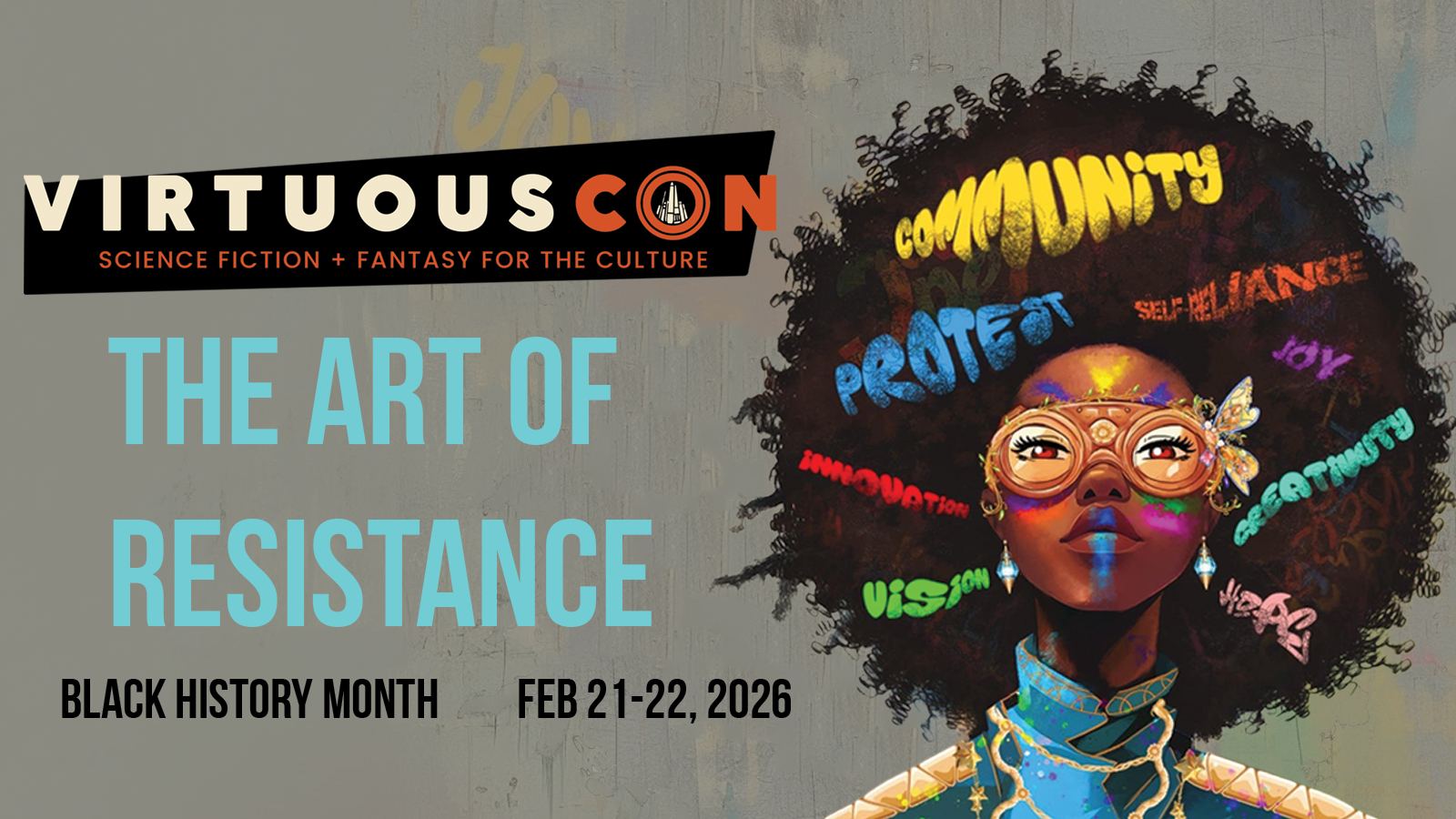
However, long before "Afrofuturism" became a coined term, Black writers have been using speculative fiction to tear down the boundaries of what's possible, to reimagine power, to create spaces where we could breathe. That is why the theme for Virtuous Con 2026 is “The Art of Resistance”.
Deep Roots: Before We Had a Name For It
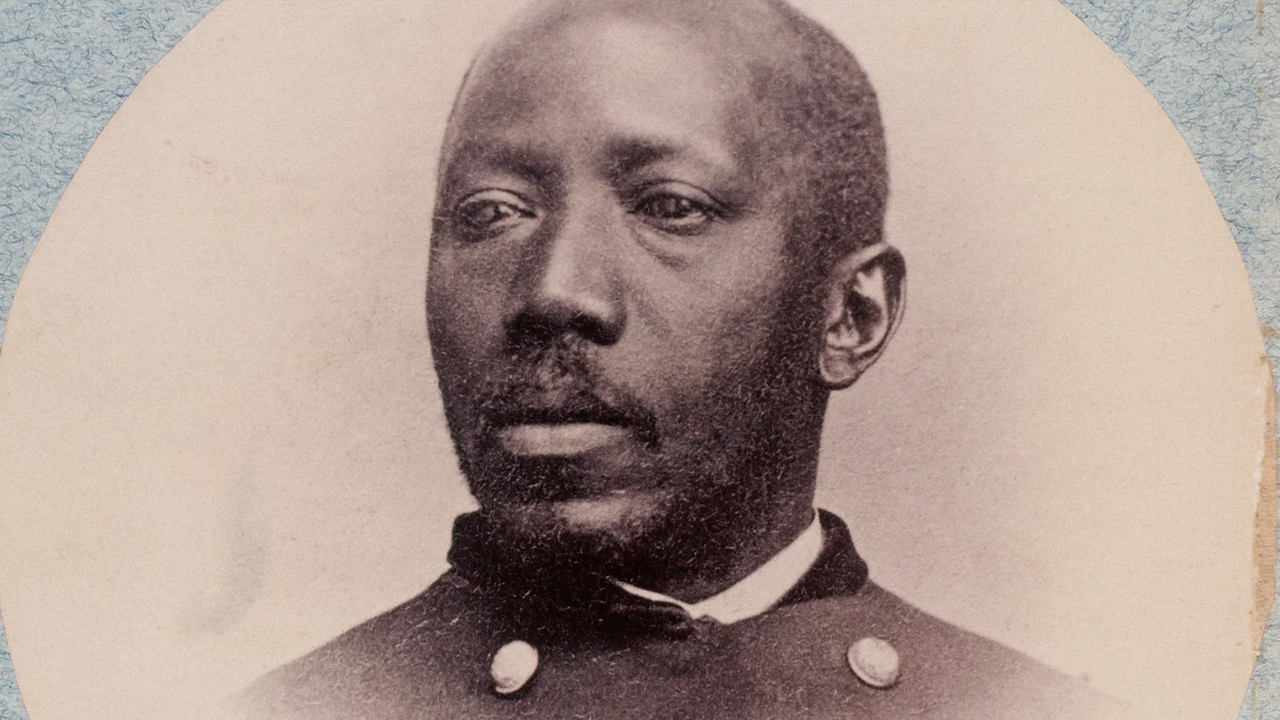
Going all the way back to 1859, Martin R. Delany (who was a physician and abolitionist) published “Blake; or, the Huts of America” and created one of the most important pieces of African American fiction and protest literature. This was proto-sci-fi: an alternate history where enslaved people across the Americas coordinated a massive uprising and established an independent Black republic. This work is a powerful illustration of how Black resistance has always been in the mind of African Americans, and how rebellion against oppression is an inherent part of Black culture. As Samuel R. Delany (no relation; but also the writer of the famous 1998 essay “Racism in Science Fiction”) would later state, “Blake is about as close to an SF-style alternate history novel as you can get.”
By the early 20th century, Pauline Hopkins (prolific writer and noted editor for The Colored American Magazine) gave us “Of One Blood” (1902), the first "lost race" novel by a Black author, featuring a hidden Ethiopian civilization with advanced technology. The Black Panther franchise clearly draws significant inspiration from this work, connecting past works to future storytelling. In 1920, W.E.B. Du Bois released "The Comet," the first post-apocalyptic story to center the Black experience. In it, a Black man and a white woman are the only survivors of a catastrophe. In 1931. George Schuyler published “Black No More” which turned race itself into speculative technology, imagining a world where Black folks could become white through a scientific procedure, which caused America to lose its mind.
Early Black speculative fiction stories were thought experiments about survival, Black power, and what happens when the foundations of white supremacy get destabilized.
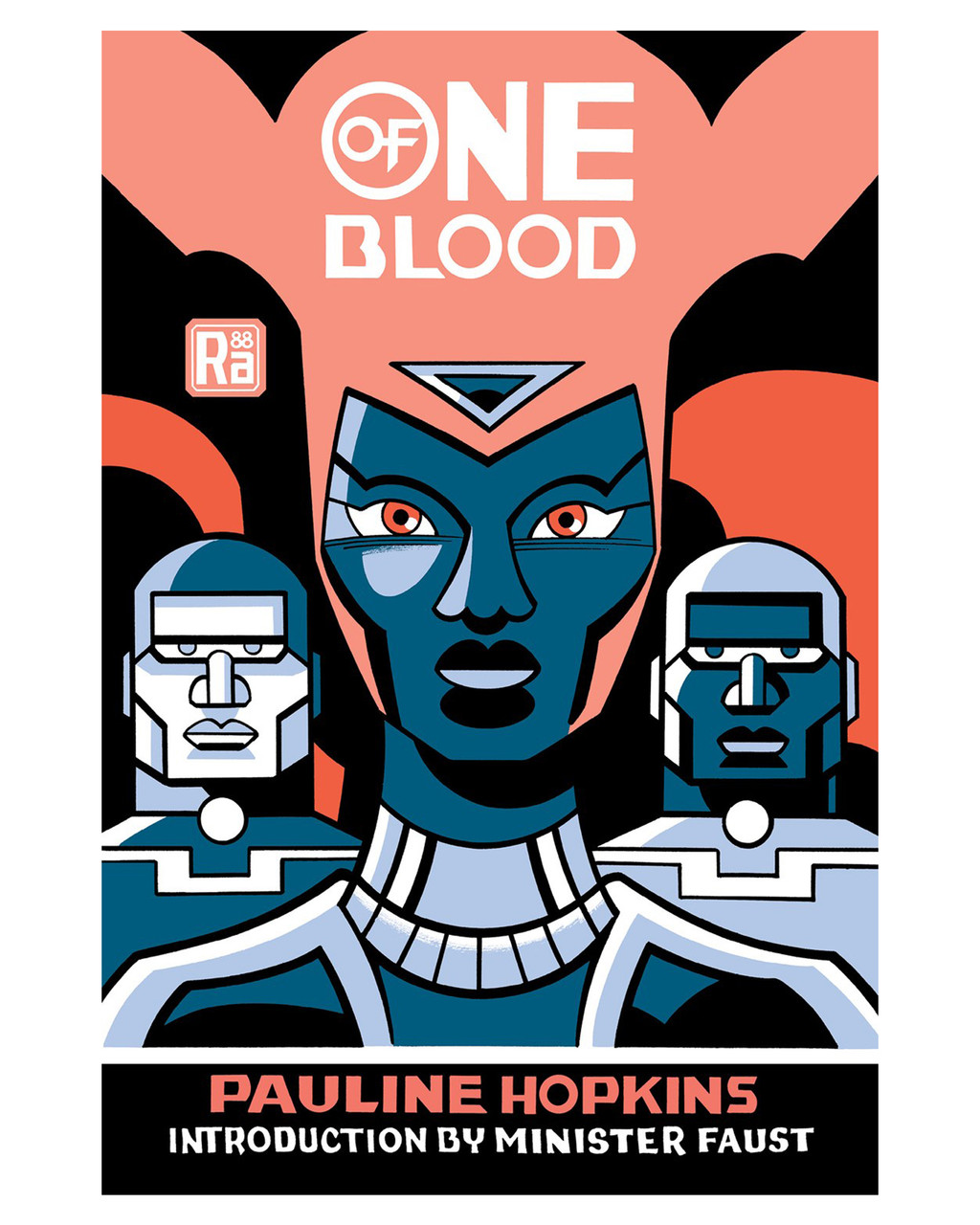
via the Smithsonian Store
The Heavy Hitters Who Changed Everything
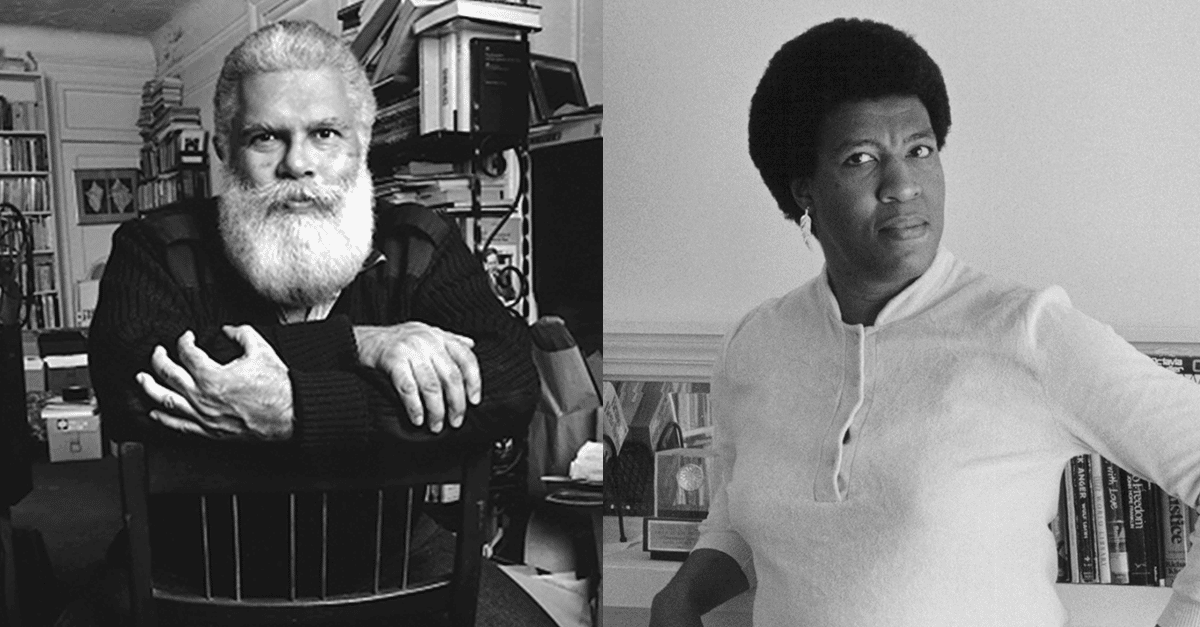
Photos: James Hamilton/The Nation; Patti Perret/The Huntington Library, Art Collections, and Botanical Gardens
Samuel R. Delany and Octavia E. Butler via MIT Black History
By the 1960s, two Black sci-fi authors made serious waves in the genre; Samuel R. Delany & Octavia E. Butler.
Mentioned previously, Samuel R. Delany was born in Harlem in 1942. At 19 they published their first novel, “The Jewels of Aptor”. Over the next six years, Samuel Delany dropped eight more novels, winning Nebula Awards for “Babel-17” (1966) and “The Einstein Intersection” (1967). Delany brought an intellectual rigor that the genre had not quite seen yet, examining how language shapes reality, how marginalized people navigate history, and what it means to exist at the edges of empire. Delany was also openly gay and Black during a time when that combination had serious social and safety ramifications, and they still made space in sci-fi for conversations about sexuality, identity, and power that are reverberating to this day.
Then came Octavia E. Butler, who met Delany at a six week writers workshop called the Clarion Writers' Workshop in 1970 and became his lifelong friend. Delany said “It was wonderful to see how she had bloomed and gained so much self-confidence and become a really extraordinary public speaker….she also was a pathblazer in a genre where once you could count the black writers on one hand.”
Octavia Butler was raised by her widowed mother in Pasadena. She was told that she was too quiet, too Black, and too female to make it as a writer. She proved everyone wrong through sheer discipline and what she called "positive obsession."
Her work was unflinching. “Kindred” (1979) made readers feel the psychological terror of slavery by forcing a contemporary Black woman to experience it firsthand. The Parable series, which was written in the 1990s, envisioned a 2020s America destroyed by climate collapse and corporate greed…again the past connecting to the present. Butler became the first science fiction writer to receive a MacArthur "Genius" Fellowship in 1995 and the first Black woman to win both Hugo and Nebula awards. When Terry Gross asked her what bothered her about the sci-fi she read growing up, Butler's answer was simple: "I wasn't in them."
Delany and Butler’s work created space not just through their fiction, but through their insistence that the genre had to do better. Their impact reverberates to this day.
The Cyberpunk Architect: Mike Pondsmith
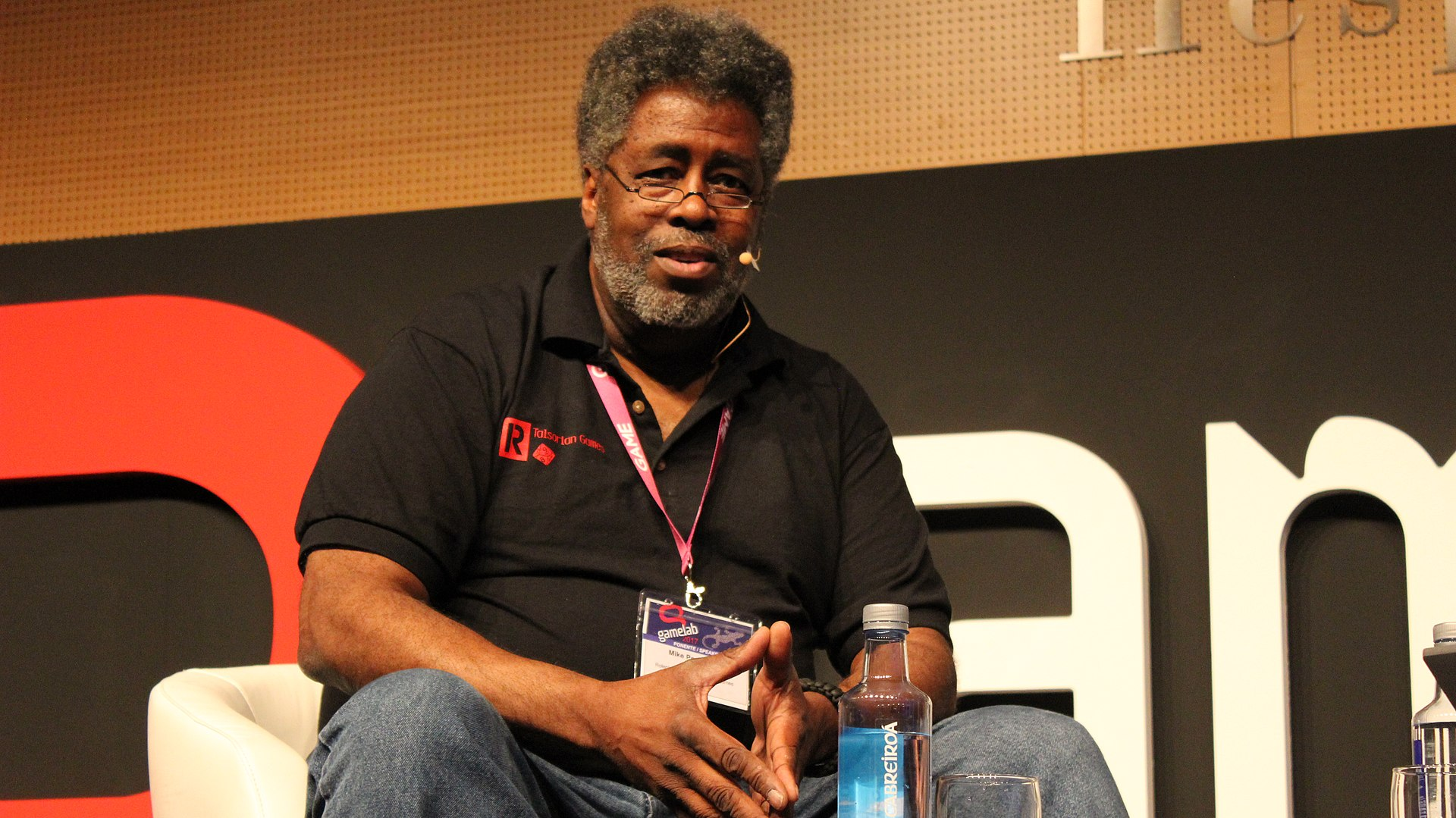
(Image credit: Gamelab Barcelona) via PC Gamer
Before the success of Cyberpunk 2077 (even with the controversial launch), there was Mike Pondsmith aka “Maximum Mike”. Pondsmith is a Black game designer and founder of R. Talsorian Games who created the Cyberpunk tabletop RPG in 1988.
Pondsmith built a game with a warning system; that uncontrolled corporate greed would create a dystopian future between the haves and have-nots. He was inspired by Ridley Scott's Blade Runner and Walter Jon Williams's novel Hardwired. Cyerpunk is now an entire aesthetic with a cult following.
What makes Pondsmith's work crucial is how he centered Black culture as resistance and not just decoration. Character stories like T-Bug and the Haitian netrunners known as the Voodoo Boys are a statement about who gets to control technology and who gets locked out. When CD Projekt Red approached Pondsmith about turning his tabletop game into a video game, he visited them in Poland to explain what cyberpunk actually meant. According to Rock Paper Shotgun: "To build his vision of the future, Pondsmith has absorbed knowledge about technology, futurism, politics, social trends, fashion, geology, and just about any other topic you might care to mention.”
The New Vanguard
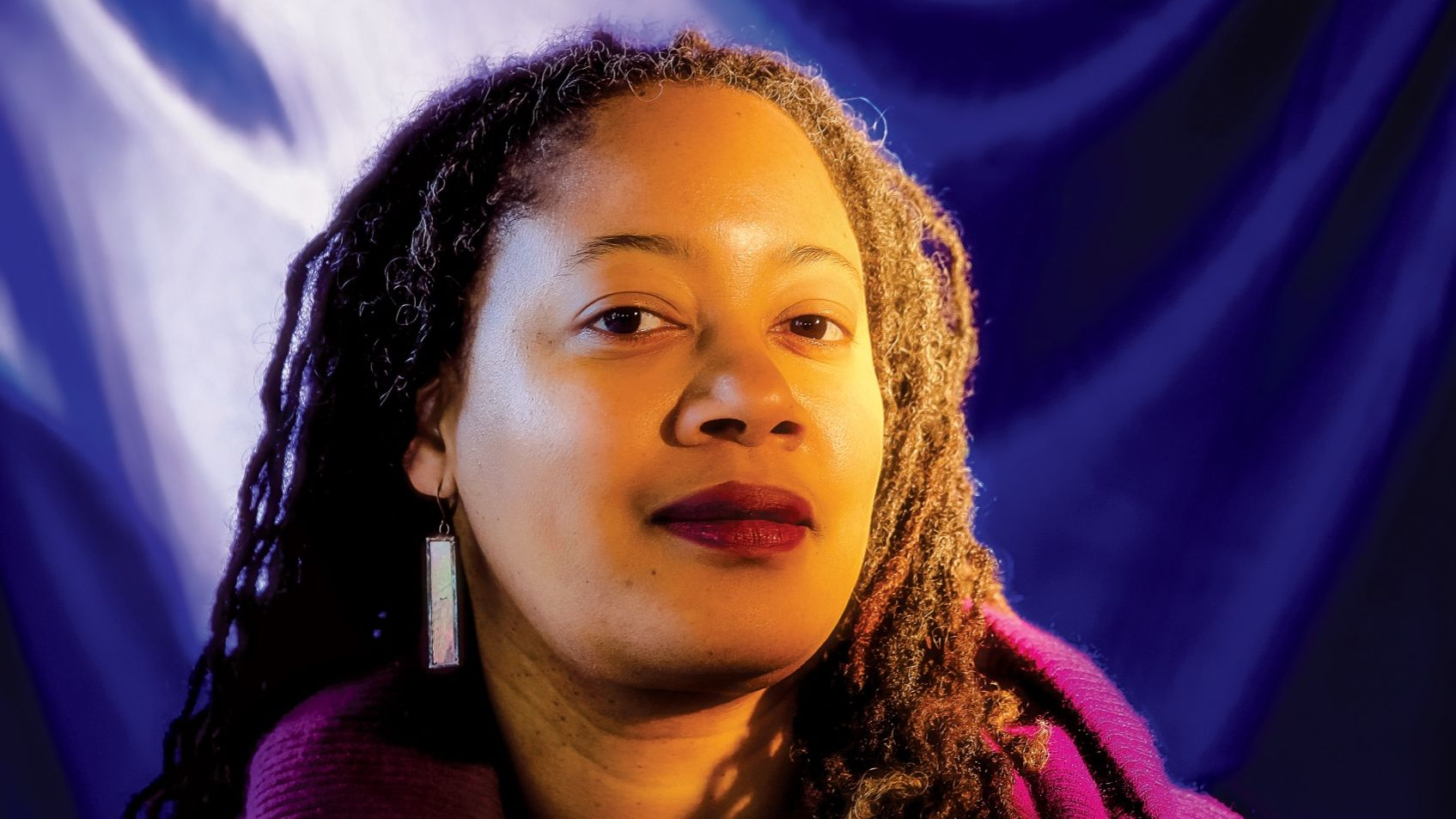
N.K. Jemisin via The New Yorker
Today, Black speculative fiction is experiencing a renaissance that Delany and Butler made possible. The field is exploding with diverse voices, each bringing their own unique voice and vision to the world:
Sheree Renée Thomas edited the groundbreaking “Dark Matter” anthologies, which won World Fantasy Awards for Best Anthology. These collections introduced Black science fiction from multiple authors to new generations. Her curation work helped revitalize the industry's interest in Black speculative voices and proved there was a century-deep tradition that had been ignored.
N.K. Jemisin made history by winning three consecutive Hugo Awards for Best Novel (2016, 2017, 2018) for her “Broken Earth” trilogy. Jemisin is the only author ever to achieve that feat. She holds multiple advanced degrees and has been nominated for Hugos five times. Her world-building combines geological science with interrogations of power, oppression, and survival.
Nnedi Okorafor, a Nigerian American writer, coined the term "Africanfuturism" to distinguish African-centered narratives from the broader Afrofuturist movement. Her “Binti” trilogy won Hugo and Nebula awards, and she's been inducted into the Science Fiction Hall of Fame. After a scoliosis surgery gone wrong ended her athletic career, she turned to writing, which helped keep her sane. She went on to earn a PhD from the University of Illinois, Chicago, and became a professor, proving that adversity can birth new worlds.
Tananarive Due, often called the “Queen of Black Horror”, brings historical depth to speculative work. Due's “African Immortals” series blends mythology with contemporary anxieties. She teaches Afrofuturism at UCLA and contributed to Jordan Peele's horror anthology, bringing her scholarship directly into popular culture.
On Screen

Jordan Peele’s Nope Opened With $44 Million Weekend via SYFY
The legacy isn't confined to the page anymore. We're seeing Black-led speculative projects that refuse to play by old Hollywood rules. There have been iconic Black leads in major sci-fi films such as Will Smith as Agent J in “Men In Black”, Michael Jai White in “Spawn”, and of course the entire cast of “Black Panther”.
In film and TV, projects like the “Ironheart” series (featuring genius technologist Riri Williams) signal a shift toward centering Black women in tech narratives. Lupita Nyong'o anchored “A Quiet Place: Day One” (2024) and Jordan Peele’s “Nope” (2022) pushes Black main leads in sci-fi and subverts typical tropes of the genre, proving that Black leads can carry major sci-fi franchises.
Why Community Matters: The Power of the Huddle

Black sci-fi survives because we huddle. We create spaces like Virtuous Con and other virtual communities where geography doesn't limit genius. These Black-led spaces are digital sanctuaries where you can find both inspiration and community support from independent Black creators. There are numerous great Black Sci-Fi organizations such as the Black Science Fiction Society, Sistah Sci-Fi ,and Black Sci-Fi.com.
This is how we've always operated: building safe-spaces, institutions, and havens when existing ones shut us out. We have always created the platforms we need to survive and thrive.
The Future Is Still Being Written
The story of Black sci-fi isn't a closed loop and it isn’t finished. It's ongoing, messy, brilliant, and expanding in directions Butler and Delany couldn't have predicted.
Every time a kid sees themselves piloting a starship, every time a writer imagines a future where we're not just surviving but flourishing, every time someone uses speculative fiction to ask hard questions about power and technology and what it means to be human, Black sci-fi evolves.
As Adrienne Maree Brown, co-editor of Octavia's Brood: Science Fiction Stories from Social Justice Movements, puts it: Butler gave us "Visionary fiction writing as a practice we can use to imagine and prepare for the future together to generate the ideas that we want to see more of in the world. [Butler] gives us the practice, and then she gives us case study after case study after case study of our imaginary futures and how we’ll behave.”
Legacy is about recognizing the people who imagined the future and fought to make sure we'd actually get to live in it. We are here to do our part and build upon that legacy.
Ready to be part of what comes next? Attend and Partner With Virtuous Con to help continue the mission.
Join the creators, the nerds, and the visionaries who are redefining what's possible. Get your pass to Virtuous Con and connect with the community building tomorrow: